When a financial crisis hits, knowing where to find emergency cash assistance can mean the difference between keeping your lights on or losing your home. Emergency cash assistance in 2026 comes from federal programs, state agencies, local nonprofits, and community organizations across the country. Whether you need help with rent, utilities, food, medicine, or transportation, this guide covers every major source of emergency cash assistance available to you right now.
Updated October 2026: This page reflects FY2027 SNAP benefit amounts effective October 1, 2026.
Who This Guide Is For
What is emergency cash assistance? Emergency cash assistance refers to one-time or short-term financial payments from government agencies and nonprofit organizations to help people survive a financial crisis. This includes TANF emergency payments, state hardship funds, LIHEAP crisis grants, and nonprofit aid from organizations like the Salvation Army. Payments range from $200 to $5,000 and are designed to prevent eviction, utility shutoff, or homelessness.
- Adults and families facing an unexpected financial crisis in 2026
- People who need emergency money fast for rent, utilities, or food
- Single adults with no children who do not qualify for TANF
- Families who have already used TANF and need alternative emergency cash help
- Anyone unsure where to start when looking for emergency financial assistance 2026
Quick Answer: Where to Get Emergency Cash Assistance
Not sure if you qualify for SSI benefits? Check in under 2 minutes — it's free, private, and shows estimated amounts.
The fastest sources of emergency cash assistance in 2026 are: calling 211 (the national helpline that connects you to local emergency funds), your county TANF or Department of Social Services office for one-time diversion payments, local Community Action Agencies, and charities like the Salvation Army and Catholic Charities. Most emergency cash assistance programs can process requests within 24 to 72 hours when the situation is urgent. Income below 200% of the federal poverty level is the most common threshold across programs.
Key Takeaways
- Emergency cash assistance is available from federal, state, and local sources in all 50 states
- Calling 211 is the fastest first step to find emergency money assistance 2026 in your area
- TANF one-time diversion payments provide lump sums of $500 to $2,000 without enrolling in ongoing assistance
- State General Assistance (GA) programs cover single adults with no children who cannot get TANF
- Community Action Agencies, Salvation Army, and Catholic Charities serve millions of households in crisis each year
- LIHEAP covers emergency utility shutoff prevention and is available year-round in most states
- Income at or below 200% of the federal poverty level is the standard threshold for most emergency cash programs
TANF Emergency Assistance: One-Time Cash Payments for Families
Our free checker shows every program you're eligible for with estimated monthly amounts. No signup needed.
See What I Qualify For →🔒 Free · Private · Takes 2 minutesThe Temporary Assistance for Needy Families program – better known as TANF – is the largest federal source of emergency cash assistance for families with children. Most people think of TANF as an ongoing monthly benefit, but every state also runs a one-time emergency or diversion payment option.
TANF emergency cash assistance (also called diversion payments or emergency assistance) works like this:
- You receive a lump sum payment of $500 to $2,000 to resolve a specific crisis such as past-due rent, a utility reconnection fee, or a car repair needed to keep your job
- The payment addresses the emergency without enrolling you in ongoing monthly TANF cash assistance
- One-time TANF emergency payments typically do not count against your 60-month federal TANF lifetime limit
- You may be asked to waive ongoing TANF enrollment for 3 to 6 months after receiving a diversion payment
- Eligibility is the same as regular TANF: families with children, income below the state threshold (typically 100% to 185% of the federal poverty level)
To access TANF emergency cash assistance, contact your county or state Department of Social Services and ask specifically about “emergency assistance,” “diversion payments,” or “one-time TANF payments.” Do not assume the caseworker will mention these options automatically.
State General Assistance Programs: Emergency Cash for Single Adults
Free and trusted resources to help you take the next step.
A disability lawyer can increase your approval odds significantly. Most work on contingency, meaning you pay nothing unless you win.
Find a Disability AttorneyHaving organized, complete medical records is the most important factor in disability claim approval. Get help gathering documentation.
Learn About DocumentationWhile waiting for SSDI, you may qualify for SSI, Medicaid, SNAP, and other programs that provide immediate support.
Check All BenefitsThese are recommended resources based on the topic of this article. We only suggest free, official, or widely trusted services.
State General Assistance (GA) programs fill the gap for single adults and childless couples who do not qualify for federal TANF. GA programs are funded entirely by states, so availability varies widely. If you are a single adult in crisis and need emergency cash assistance, GA is often the only government option available to you.
Key facts about State General Assistance emergency cash programs:
- About 30 states maintain some form of GA program as of 2026
- Cash amounts are modest, typically $200 to $500 per month or as a one-time emergency payment
- Most GA programs serve adults who are temporarily disabled, caring for a family member, or facing barriers to employment
- States like California (General Relief), New York (Safety Net Assistance), Massachusetts (Emergency Aid to the Elderly, Disabled and Children), and Washington (Aged, Blind, or Disabled program) have the strongest GA programs
- Apply at your county human services or social services office
Even in states without a formal GA program, county-level emergency assistance funds often exist. Always call your local social services office and ask about all available emergency cash assistance options for your specific situation.
Community Action Agencies: Local Emergency Financial Assistance 2026
Community Action Agencies (CAAs) are federally funded local nonprofits operating in every county across the United States. They are one of the most reliable and fastest sources of emergency financial assistance 2026. CAAs administer the Community Services Block Grant (CSBG) and often manage multiple emergency fund streams simultaneously.
What Community Action Agencies can provide:
- Direct emergency cash assistance for rent, mortgage arrears, or utility shutoffs
- LIHEAP utility assistance (see below)
- Food pantry referrals and direct food assistance
- Transportation assistance (gas cards, bus passes)
- Emergency prescription or medical expense help
- Case management to connect you with additional resources
To find your nearest Community Action Agency, visit the National Community Action Partnership website at communityactionpartnership.com or call 211. Most agencies serve walk-in clients and can process emergency requests within one to three business days when funds are available.
Salvation Army, Catholic Charities, and United Way 211
Ready to apply for SSI benefits?
Thousands of people miss benefits they qualify for. Check now and see your estimated monthly amount.
Check My Benefits in 2 Minutes →Three national organizations provide emergency cash assistance through local chapters across the country. These are often faster to access than government programs and serve people regardless of immigration status or religion.
Salvation Army Emergency Assistance
The Salvation Army operates more than 7,600 centers in the United States. Their emergency cash assistance programs vary by location but commonly include help with rent, utilities, food, and medicine. To apply, find your nearest Salvation Army location at salvationarmyusa.org or call 1-800-SAL-ARMY. Many centers accept walk-ins and can provide emergency assistance the same day for urgent cases.
Catholic Charities Emergency Funds
Catholic Charities USA serves over 16 million people annually through more than 2,400 local agencies. Emergency cash assistance through Catholic Charities is available to people of all faiths and backgrounds. Services include emergency rent and utility help, food assistance, and referrals to other local resources. Find your local agency at catholiccharitiesusa.org.
United Way 211
Dialing 211 connects you to United Way’s national emergency assistance referral network. Trained specialists answer 24 hours a day, 7 days a week and connect callers to local emergency cash assistance programs, food banks, housing help, utility assistance, and more. In 2026, 211 is available in all 50 states and has connected millions of people to emergency money assistance 2026. You can also text your ZIP code to 898-211 or visit 211.org to search online.
LIHEAP: Emergency Utility Assistance

The Low Income Home Energy Assistance Program (LIHEAP) is a federal program that provides emergency cash assistance specifically for home energy costs. While LIHEAP is categorized as utility assistance, it functions as direct emergency cash equivalent assistance because it pays your energy bills directly, freeing up your cash for other emergencies.
LIHEAP emergency cash assistance covers:
- Heating and cooling bills
- Utility shutoff prevention
- Utility reconnection fees
- Emergency furnace or cooling system repair
- Weatherization services to reduce ongoing energy costs
LIHEAP income limits are set at or below 60% of state median income, or 150% of the federal poverty level, whichever is higher. In 2026, a family of four can have income up to approximately $45,000 to $50,000 per year and still qualify in most states. Apply through your state energy office, local Community Action Agency, or by calling 211. For more on utility assistance, see our guide on emergency housing assistance programs.
You need cash for bills
You need help with utility bills
You need food help
SNAP as Emergency Cash-Equivalent Food Assistance
The Supplemental Nutrition Assistance Program (SNAP) is not cash, but it functions as emergency cash-equivalent assistance for food. In a financial crisis, SNAP frees up your actual cash for rent, utilities, and medicine by covering your grocery bill. SNAP benefits are loaded monthly onto an EBT card.
SNAP emergency cash assistance features in 2026:
- Many states process expedited SNAP within 7 days for households with income below $150 per month or less than $100 in cash resources combined with monthly rent or utilities that exceed gross income
- The average SNAP benefit in 2026 is approximately $6 per person per day
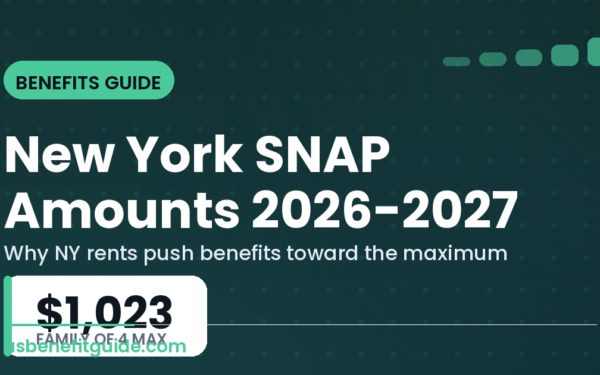
- A family of four can receive up to $1,023 per month in SNAP benefits
- SNAP can be used at grocery stores, farmers markets, and some online retailers
Apply for SNAP online at your state’s benefits portal or in person at your local SNAP office. If you are already in a financial emergency, ask specifically about expedited SNAP processing when you apply.
Church and Religious Organization Emergency Funds
Local churches, mosques, temples, and synagogues across the United States maintain discretionary emergency funds for people in crisis. Religious organization emergency cash assistance is often the most flexible source of emergency money assistance 2026 because it operates outside government eligibility rules and income documentation requirements.
Tips for accessing religious emergency cash assistance:
- Contact churches near your home or workplace, not just your own congregation
- Be specific about your need: past-due rent, a medication copay, a car repair
- Most churches do not require you to be a member or attend services to receive emergency help
- Larger congregations often have a formal benevolence fund with an application process
- Smaller churches may act faster but have limited funds
- Pastor or deacon referrals between churches can unlock additional resources in the same week
Church emergency funds typically provide $50 to $500 per household per crisis. They will not solve a large rent arrearage on their own, but they can cover a prescription, a utility deposit, or bridge a gap while waiting for government emergency cash assistance to process.
Mutual Aid Networks and Community Emergency Funds
Mutual aid networks are community-organized groups where neighbors help neighbors with direct financial assistance. These networks expanded dramatically during the COVID-19 pandemic and continue to operate in 2026 in hundreds of cities and towns.
Types of mutual aid emergency cash assistance:
- Local mutual aid groups on Facebook or Nextdoor where community members post requests and donors respond directly
- Mutual aid funds run by community organizations that accept applications and distribute small grants of $100 to $500
- GoFundMe and other crowdfunding campaigns for people sharing their crisis story publicly
- Buy Nothing groups that provide goods rather than cash but reduce cash spending needs
To find a mutual aid network near you, search “mutual aid [your city or county]” on Facebook or visit mutualaidhub.org which maintains a directory of hundreds of local mutual aid networks across the country.
How to Qualify for Emergency Cash Assistance
Income and crisis documentation are the two standard requirements for emergency cash assistance across most programs in 2026.
Income Thresholds
Most emergency cash assistance programs use income thresholds based on the federal poverty level (FPL). The most common thresholds in 2026 are:
- 100% FPL: $15,960 for a single person, $33,000 for a family of four
- 150% FPL: $23,940 for a single person, $49,500 for a family of four
- 200% FPL: $31,920 for a single person, $66,000 for a family of four
Government emergency cash assistance programs (TANF, LIHEAP, GA) typically use 100% to 150% FPL. Nonprofits and charities often use 200% FPL or have no formal income limit, relying instead on a demonstrated crisis and available funds.
Crisis Documentation
Emergency cash assistance programs require proof of the crisis, not just proof of low income. Be prepared to show:
- Past-due rent or eviction notice
- Utility shutoff notice
- Medical bill or prescription receipt
- Job loss documentation (termination letter, last pay stub)
- Proof of unexpected expense (car repair estimate, emergency bill)
What Emergency Cash Assistance Can Be Used For

Emergency cash assistance can cover a wide range of urgent household needs. Programs vary in whether they pay vendors directly or give cash, but the qualifying expenses are consistent across most programs:
- Rent and mortgage: Past-due amounts, security deposits, or first month’s rent in a new home
- Utilities: Electricity, gas, water, and sometimes internet or phone bills
- Food: Direct food assistance or cash when SNAP is pending
- Medicine and medical expenses: Prescription copays, over-the-counter medicines, and emergency medical bills
- Transportation: Car repairs needed for work, bus passes, gas cards
- Clothing and personal necessities: In extreme cases, especially for families with young children
- Childcare: Emergency childcare costs when a parent needs to attend a job interview or training
State-Specific Emergency Cash Assistance Programs in 2026
Each state administers its own emergency cash assistance alongside the federal TANF block grant. Here are six states with notable emergency programs in 2026:
California
California’s emergency cash assistance situation is among the strongest in the country. The CalWORKs program provides both ongoing TANF and one-time emergency diversion payments. The General Relief (GR) program covers single adults in all 58 counties, with Los Angeles County providing up to $462 per month. The federal Emergency Rental Assistance (ERA) program ended (ERA2 funding period ended September 30, 2027). For rental help now, contact 211, apply for Section 8 or Emergency Housing Vouchers through your local PHA, or contact local nonprofits and legal aid for eviction help. Apply for CalWORKs at benefitscal.com or call 211.
New York
New York operates one of the most complete emergency cash assistance systems in the nation through the Office of Temporary and Disability Assistance (OTDA). The Safety Net Assistance (SNA) program provides cash for single adults and families who have exhausted TANF benefits or do not meet TANF criteria. New York City’s Human Resources Administration (HRA) also administers the One Shot Deal program, which provides emergency cash for rent arrears and prevents evictions. Apply at mybenefits.ny.gov.
Texas
Texas has limited state-administered emergency cash assistance programs. The TANF program provides very small monthly amounts ($229 for a family of three). However, Texas has a strong network of local Community Action Agencies and faith-based emergency funds. The Texas Health and Human Services Commission administers LIHEAP and refers callers to local emergency resources through 2-1-1 Texas. Call 2-1-1 or visit 211texas.org.
Florida
Florida’s emergency cash assistance is primarily administered through the Department of Children and Families (DCF). The Temporary Cash Assistance (TCA) program covers families with children, while the Short-term Emergency Assistance (STEP) program at county level helps with immediate crisis needs. The Florida Emergency Mortgage Assistance Program (FEMAP) assists homeowners facing foreclosure. Apply at myflorida.com/accessflorida or call 211.
Illinois
Illinois administers emergency cash assistance through the Department of Human Services (IDHS). The TANF program includes emergency assistance provisions for families in sudden crisis. The Illinois Rental Payment Program (ILRPP) provides emergency rent assistance. Local Community Action Agencies across the state provide direct emergency financial assistance from multiple state and federal funding streams. Apply at dhs.illinois.gov or call 211.
Pennsylvania
Pennsylvania’s emergency cash assistance programs are administered by the Department of Human Services (DHS). The Emergency Assistance (EA) program provides one-time cash to families with children facing a sudden emergency like eviction or utility shutoff. The General Assistance (GA) program covers single adults who are temporarily disabled. The Low Income Home Energy Assistance Program (LIHEAP) is administered locally through county assistance offices. Apply at compass.state.pa.us or call your county assistance office.
Step-by-Step: How to Apply for Emergency Cash Assistance
Step 1: Call 211 First
Before applying anywhere, call 211. Specialists will tell you which emergency cash assistance programs are currently funded in your area, what the income limits are, and which organizations have funds available today. This call saves hours of applying to programs that are out of funds. If phone calls are not possible, text your ZIP code to 898-211 or search at 211.org.
Step 2: Apply for TANF Emergency Assistance
If you have children and income below 200% FPL, call your state’s TANF office or visit the county Department of Social Services. Ask specifically about one-time emergency payments or diversion programs. Bring your ID, proof of income, proof of the crisis (shutoff notice, eviction notice), and Social Security numbers for all household members. See our full TANF benefits guide for state-by-state application links. For related information, see our guide on Emergency Rental Assistance 2026: Easy Guide to Programs Sti
Step 3: Contact a Community Action Agency
Community Action Agencies often have multiple emergency cash streams available simultaneously. Visit in person if possible, as walk-in emergencies are often prioritized. Bring all documentation from Step 2 plus any utility shutoff or eviction notices.
Step 4: Apply for SNAP if Not Already Enrolled
If you are not already receiving SNAP benefits, apply immediately. Ask for expedited processing. Every dollar of SNAP you receive is a dollar of cash freed up for rent, utilities, or medicine.
Step 5: Apply for LIHEAP
If your emergency involves utility bills, apply for LIHEAP through your Community Action Agency or state energy office. LIHEAP can prevent a shutoff or pay reconnection fees within days in urgent situations.
Step 6: Contact Local Charities
Call the Salvation Army and Catholic Charities in your area the same day you start your government applications. These organizations can often provide smaller amounts of emergency cash assistance faster than government programs while you wait for larger assistance to process.
Required Documents for Emergency Cash Assistance
- Photo ID: Driver’s license, state ID, or passport for all adults
- Proof of income: Pay stubs, benefit award letters, or a written zero-income statement
- Proof of crisis: Eviction notice, utility shutoff notice, medical bill, or job termination letter
- Proof of residence: Lease, utility bill, or recent mail with your address
- Social Security numbers: For all household members on the application
- Household composition: Birth certificates for children, marriage certificate if applicable
- Bank statements: Last 30 to 60 days of bank statements showing current resources
Real-Life Example: Getting Emergency Cash Assistance in 2026
Maria is a single mother of one child in Philadelphia, Pennsylvania. She works part-time as a home health aide but her hours were cut in February 2026 due to a client moving to a nursing facility. Her monthly income dropped from $1,800 to $900, leaving her $650 short on her $1,550 rent payment.
Maria called 211 on the same day she got her eviction notice. The specialist directed her to three local programs: a Community Action Agency with rental assistance funds, the Pennsylvania Emergency Assistance program, and Catholic Charities. She applied to all three the next morning.
Catholic Charities approved a $400 emergency cash grant within 48 hours. The Community Action Agency processed $650 in emergency rental assistance within five business days. Pennsylvania’s Emergency Assistance program approved an additional $300 for utility arrears. Maria also applied for expedited SNAP and received $340 per month, freeing up more of her income for rent going forward. Total emergency cash assistance received: $1,350 in 10 days. Eviction was prevented and Maria avoided credit damage.
Tips to Get Emergency Cash Assistance Approved Faster

- Apply to multiple sources at the same time: Government programs and nonprofits have different funding and approval timelines. Stacking applications multiplies your chances of getting cash quickly.
- Be clear and specific about your crisis: Say “I have a 3-day pay-or-quit notice for $850 in back rent due by Friday” rather than “I need help with rent.” Specificity moves applications forward faster.
- Bring all documents to every appointment: Missing one document delays approval by days. Bring everything listed above even if you are not sure it is needed.
- Ask about same-day or emergency processing: Most programs have a fast-track process for imminent evictions, utility shutoffs, or medical emergencies. You have to ask for it explicitly.
- Call ahead to confirm fund availability: Some emergency cash assistance programs run out of funds before the end of each month. Call in the morning on the first business day of the month when new funds are typically available.
- Follow up daily: A polite daily check-in call after submitting your application keeps your case visible and shows urgency.
Common Mistakes When Applying for Emergency Cash Assistance
- Waiting too long: Emergency cash assistance programs have limited funds that are distributed on a first-come, first-served basis. Apply the same day you realize you have a crisis, not the day before your eviction court date.
- Applying to only one program: Many people apply to one agency and wait. Applying to three to five programs simultaneously gives you the best chance of receiving emergency financial assistance 2026 in time.
- Not mentioning children or disabilities: Households with children or disabled members qualify for more programs and often receive priority processing. Always disclose all household members.
- Forgetting about SNAP and LIHEAP: These programs are easy to apply for and provide immediate relief. Many people in crisis overlook them because they are not direct cash payments.
- Not asking about religious and mutual aid funds: Most people skip church funds and mutual aid networks. These can provide small amounts of cash within 24 hours while larger applications process.
- Providing inaccurate income information: Providing incorrect income figures can delay or deny your application and in some cases result in repayment obligations. Report all income accurately.
Related Benefits Worth Exploring
- TANF Benefits 2026: Full guide to ongoing and emergency TANF cash payments for families with children
- SNAP Benefits 2026: Food assistance that frees up cash during a financial crisis
- Emergency Housing Assistance: Rental assistance, eviction prevention, and shelter programs
- Government Assistance Programs 2026: Full list of federal and state benefit programs available this year
- Free Government Money Programs: Grants, credits, and benefits you may not know about
Emergency Cash vs Emergency SNAP: Which Helps More?
Emergency SNAP provides more total value for most families ($306-$1,691/month ongoing) and approves in 7 days. Emergency cash from TANF or state hardship funds provides less money ($200-$2,000 one-time) but can be spent on anything, including rent. Apply for both. Use emergency cash for your most urgent bill (rent, utilities) and SNAP to cover food so you can redirect grocery money elsewhere.
Government Emergency Aid vs Nonprofit Emergency Aid: Key Differences
Nonprofits (Salvation Army, Catholic Charities, churches) are faster, sometimes same-day, with less paperwork. Government programs (TANF, LIHEAP, state hardship funds) provide larger amounts but take days to weeks. Nonprofits rarely verify income strictly; government programs require full documentation. The best strategy is to hit nonprofits first for immediate relief while government applications process.
Frequently Asked Questions About Emergency Cash Assistance
Where can I get emergency cash today?
Call your local Salvation Army, Catholic Charities, or St. Vincent de Paul Society. These organizations can issue same-day checks for rent, utilities, or other documented emergencies. Also call 211 to find local emergency funds specific to your ZIP code. Churches often maintain discretionary funds for emergency help regardless of membership. Bring your crisis documentation (eviction notice, shutoff letter, medical bill).
What is the fastest government program for emergency money?
Expedited SNAP is the fastest federal program, approved within 7 days for qualifying households. LIHEAP crisis assistance processes in 3-5 business days for utility emergencies. TANF emergency or diversion payments take 2-4 weeks in most states. State hardship funds vary from 1-4 weeks. For same-day help, you must go through nonprofit organizations.
Can I get emergency assistance if I have no children?
Yes. TANF requires children, but General Assistance (in ~30 states), LIHEAP, SNAP, and all nonprofit emergency funds are available to single adults. If you have a disability, SSI provides $1,023/month regardless of parental status. Salvation Army, Catholic Charities, and 211 referral resources serve all adults in crisis without requiring you to have dependents.
What is the fastest way to get emergency cash assistance?
Calling 211 is the fastest first step. Specialists identify programs with funds available in your area today. Local charities like the Salvation Army and Catholic Charities can often approve small amounts within 24 to 48 hours. Community Action Agencies typically process emergency cash assistance in 3 to 5 business days for urgent cases.
Who qualifies for emergency cash assistance in 2026?
Most emergency cash assistance programs require income at or below 200% of the federal poverty level and documentation of a current financial crisis. Families with children have the most options through TANF. Single adults without children can access State General Assistance, Community Action Agency funds, and nonprofit emergency programs.
Can I get emergency cash assistance if I am undocumented?
Federal TANF funds require legal residency or citizenship. However, U.S. citizen children in mixed-status families qualify for TANF and SNAP based on their own status regardless of their parents’ documentation. Local nonprofits, Community Action Agencies, churches, and mutual aid networks generally do not require immigration documentation to provide emergency cash assistance.
How much emergency cash assistance can I receive?
Amounts vary widely by program and state. TANF one-time emergency payments range from $500 to $2,000. Community Action Agency grants are typically $200 to $1,500. Salvation Army and Catholic Charities grants are usually $100 to $500. LIHEAP can cover several hundred dollars in utility bills. Combining multiple sources is common and encouraged to meet the full cost of your crisis.
Does receiving emergency cash assistance affect future benefit eligibility?
TANF diversion or one-time emergency payments typically do not count toward your 60-month federal TANF lifetime limit. Receiving emergency cash from nonprofits does not affect SNAP, Medicaid, or SSI eligibility. LIHEAP benefits are excluded from income calculations for all major benefit programs.
What is the 211 helpline and how does it help?
211 is a free, confidential phone helpline available 24 hours a day, 7 days a week in all 50 states. Trained specialists maintain a database of local emergency cash assistance programs, food banks, housing resources, and social services. They match your specific situation and location to currently available resources. In 2026, more than 20 million calls are made to 211 annually for emergency money assistance 2026 and related needs.
Can I get emergency cash assistance for medical bills?
Yes. Many Community Action Agencies and hospital charity care programs provide emergency financial assistance 2026 for medical bills and prescription costs. Most hospitals are required by law to have charity care programs for patients below 200% to 250% of the federal poverty level. The Patient Advocate Foundation also maintains a national copay relief fund at patientadvocate.org.
How do I apply for TANF emergency assistance specifically?
Call your state’s Department of Social Services or TANF office and say: “I am facing a financial emergency and want to apply for emergency TANF assistance or a diversion payment.” Bring proof of your crisis, proof of income, and documentation for all household members. See our detailed TANF benefits guide for state-by-state instructions.
Are there emergency cash options for people who are employed?
Yes. Many emergency cash assistance programs serve the working poor. Eligibility is based on household income compared to the federal poverty level, not employment status. A family of four earning up to $66,000 per year (200% FPL in 2026) may qualify for multiple emergency cash programs. Community Action Agencies and nonprofits specifically target working families whose income does not fully cover sudden expenses.
What is the difference between emergency cash assistance and a loan?
Emergency cash assistance from government programs, nonprofits, and charities is a grant, not a loan. You do not have to repay it. Mutual aid funds and crowdfunding platforms like GoFundMe are also grants. Payday loans and cash advance apps charge high fees and should be used only as a last resort. If you receive emergency assistance from a government program, you may be required to report it as income for other benefit programs, but you will not owe the money back.
What if all emergency cash assistance programs in my area are out of funds?
Call 211 again at the beginning of the next month, when funds typically reset. Meanwhile, contact churches and mutual aid networks, which operate on private donations rather than government appropriations and often have funds when government programs are depleted. Explore GoFundMe and community Facebook groups. Apply for SNAP expedited processing if not already enrolled, as this can be approved within 7 days and provides immediate food relief while other emergency cash assistance applications process.
- mybenefits.ny.govmybenefits.ny.gov
- dhs.illinois.govdhs.illinois.gov
This article is for informational purposes only. Visit official government websites for the most current eligibility requirements and application procedures.
You need money for basic expenses
You need help with energy bills
Free tools and official programs that can help you take the next step.
Answer a few questions to discover which government programs you may qualify for.
Apply for help with heating and cooling bills through your state’s energy program.
Dial 211 or search online to find local social services and assistance programs.
Conclusion: Take Action on Emergency Cash Assistance Today
Emergency cash assistance in 2026 is available from dozens of sources at the federal, state, and local level. The key is to act quickly, apply to multiple programs at the same time, and be specific about your crisis. Start with a call to 211, apply for TANF emergency payments if you have children, contact your local Community Action Agency, and reach out to the Salvation Army and Catholic Charities in your area. While you wait for larger amounts to process, SNAP and LIHEAP can provide immediate relief for food and utilities.
If you are setting up a new home after a crisis, our guide to free furniture for low-income families covers vouchers and furniture banks. You may also have unclaimed money waiting with your state treasurer. Explore all your options by reviewing our guides on SNAP benefits, emergency housing assistance, and the full list of government assistance programs 2026. You do not have to face a financial crisis alone.