Last updated: September 1, 2026. Every claim verified against HRSA health center rules, state Medicaid dental policies, and nonprofit program pages.
Who This Is For
This guide on free dental care for low income adults is for adults without dental insurance who need real care, a cleaning, a filling, an extraction, dentures, and keep finding either $200 exam quotes or vague lists that say “check with Medicaid.” The truth about free dental care in America is that it exists, it is just organized as a patchwork nobody explains: your state decides whether Medicaid covers your teeth, and four national channels exist that work no matter what your state decided. Here is the whole free dental care for low income adults map.
Quick Answer
Not sure if you qualify for healthcare coverage? Check in under 2 minutes — it's free, private, and shows estimated amounts.
Whether free dental care for low income adults through Medicaid depends entirely on your state: in 2026 about 38 states plus DC cover enhanced or comprehensive adult dental, five states (Arizona, Florida, Mississippi, Nevada, Texas) cover emergency extractions only, and Alabama covers nothing for adults. Children under 21 get comprehensive dental through Medicaid in every state, no exceptions. If your state fails you, four channels work everywhere: Federally Qualified Health Centers (sliding scale that reaches $0 at or below 100% of the poverty level, about $15,960 for one person), dental school clinics (roughly 40% to 60% below private rates), Dental Lifeline Network’s Donated Dental Services (free comprehensive care for seniors 65+, people with disabilities, and the medically fragile), and free clinic events like Mission of Mercy days. For free dental care for low income adults, call 211 or search findahealthcenter.hrsa.gov to start today.
Key Takeaways
- Adult dental is optional for state Medicaid programs, which is why your cousin in New York gets free root canals while an Alabama adult on the same income gets nothing, and why checking your own state’s current rules comes before anything else.
- FQHCs are the most underused free dental care for low income adults resource in American healthcare: 1,400 organizations across 16,200 sites, legally required to treat you regardless of insurance, with fees sliding to zero at the lowest incomes.
- Dental schools offering free dental care for low income adults are not a punchline: free dental care for low income adults at dental schools is supervised by licensed faculty, costs run about half of private practice, and complex work like dentures and implants sees the biggest discounts.
- Children are the exception to every gap: Medicaid and CHIP must cover comprehensive pediatric dental in all 50 states, so an uninsured child’s dental problem always has a covered path.
- The 2025 federal budget law cuts Medicaid deeply over the next decade, which puts today’s record-high adult dental coverage at risk, making this the year to use benefits while they are at their broadest.
Step One: What Your State’s Medicaid Actually Covers
Our free checker shows every program you're eligible for with estimated monthly amounts. No signup needed.
See What I Qualify For →🔒 Free · Private · Takes 2 minutesFederal law makes adult dental optional, so the free dental care for low income adults landscape splits three ways in 2026:
- Enhanced or comprehensive coverage (about 38 states plus DC): exams, cleanings, fillings, and in many states root canals, crowns, and dentures. This is the most states ever offering real adult dental, and if you live in one and have Medicaid, your first call is simply finding a dentist who accepts it.
- Emergency only (Arizona, Florida, Mississippi, Nevada, Texas): extractions and pain relief when things go wrong, nothing preventive. Texas adds a second wall: as a non-expansion state, most low income adults there cannot get Medicaid at all.
- Nothing (Alabama): the only state with zero adult dental benefit.
- Children everywhere: the federal EPSDT benefit requires every state to cover comprehensive dental for Medicaid enrollees under 21, which is why a child’s dental problem always has a covered path even in the weakest adult-coverage states.
Coverage rules shift, and the CareQuest adult dental coverage checker tracks every state’s current status. One warning worth stating plainly: the 2025 budget law’s Medicaid cuts, with work requirements arriving in 2027, put these benefits under pressure, and optional benefits like adult dental are historically the first thing states trim. If your state covers dental today, use it today. Our Medicaid income limits guide covers whether you qualify in the first place.
The Universal Fallback: FQHCs and the Sliding Scale That Hits Zero
Free and trusted resources to help you take the next step.
Federally qualified health centers offer care on a sliding fee scale. You pay based on your ability, even without insurance.
Find a ClinicPatient assistance programs from drug manufacturers can provide medications at no cost if you meet income guidelines.
Find Rx AssistanceHealth program enrollees often qualify for SNAP, housing assistance, and utility bill help. Screen for everything.
Free Eligibility CheckThese are recommended resources based on the topic of this article. We only suggest free, official, or widely trusted services.
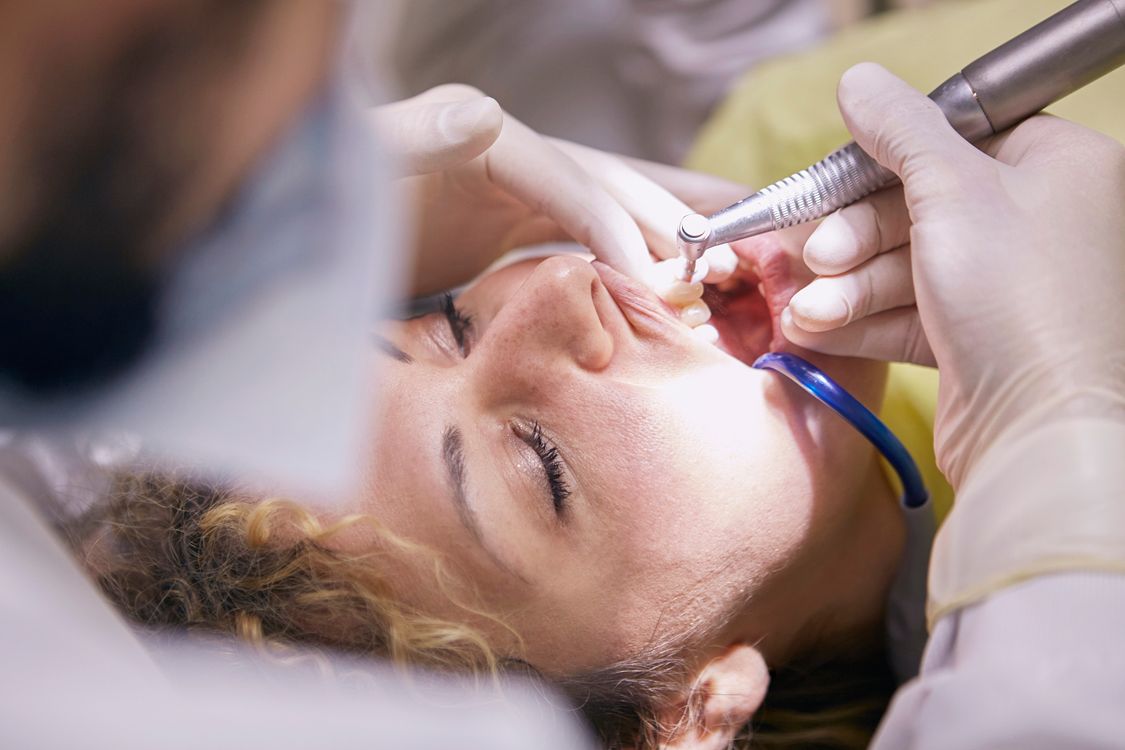
Federally Qualified Health Centers are the backbone answer for every adult in every state, and most people have never heard the term. These are community clinics funded under Section 330 of the Public Health Service Act, and the law requires two things that matter to you: as a free dental care for low income adults provider they must treat you regardless of insurance or ability to pay, and they must charge on a sliding scale tied to your income. At or below 100% of the federal poverty level, care commonly costs nothing; above it, fees step up gradually instead of jumping to market rates.
Roughly 1,400 FQHC organizations run more than 16,200 sites nationwide, many with dental chairs offering exams, x-rays, cleanings, fillings, extractions, and at some sites root canals and dentures. Find yours at findahealthcenter.hrsa.gov or by calling 1-877-464-4772. Bring proof of income (pay stubs or a benefit letter) to set your sliding-scale tier, and expect waits for non-urgent slots, because the best-kept secret in free dental care for low income adults is still busy.
Dental Schools: Half Price, Fully Supervised
Every accredited dental school runs patient clinics where students perform care under licensed faculty supervision, at roughly 40% to 60% below private practice rates. Appointments run longer because every step gets checked, which is precisely why the quality holds up. The discounts grow with complexity: dentures, crowns, and implants see the largest gaps versus private pricing, with dental school implant work running about half the $3,000 to $4,500 private cost. Search “[your state] dental school clinic” or ask 211; states with both comprehensive Medicaid and an in-state dental school, like California, New York, Washington, Oregon, Ohio, Michigan, Tennessee, and Massachusetts, offer the easiest overall free dental care for low income adults access in the country.
Free, Comprehensive, and Almost Unknown: Donated Dental Services
Ready to apply for healthcare coverage?
Thousands of people miss benefits they qualify for. Check now and see your estimated monthly amount.
Check My Benefits in 2 Minutes →The Dental Lifeline Network’s Donated Dental Services program matches volunteer dentists with people who cannot afford treatment and are 65 or older, permanently disabled, or medically fragile, generally with income below 200% of the poverty level. The free dental care for low income adults is comprehensive and free through this program, over $500 million donated since 1985, and the honest caveat is the wait: one to two years in many states. Apply anyway at dentallifeline.org if you fit the categories, because the people who get free full-mouth restorations two years from now are the ones who applied today.
Free Clinic Days: Mission of Mercy and Friends
State dental associations run Mission of Mercy events, large free dental care for low income adults clinics where hundreds of volunteer dentists do cleanings, fillings, and extractions for anyone who shows up, no eligibility test at all. Dentistry From the Heart events run the same model at individual practices, and a national Free Dental Day is scheduled for September 12, 2026 with participating dentists nationwide. Lines form before dawn and slots run out, so treat these as first-come sprints. Call 211 to find upcoming events near you; it is the single fastest router to every local dental resource on this page.
The Special Cases That Change the Answer
- Children: While free dental care for low income adults varies, Medicaid and CHIP must cover comprehensive pediatric dental everywhere. An uninsured child should be screened for both before anyone pays cash. Our eligibility checker screens the household in two minutes.
- Seniors on Medicare: Original Medicare covers almost no dental, but 98% of Medicare Advantage plans include some dental benefit in 2026, and many members never use an allowance they already pay for. Call your plan and ask what dental benefit you hold. Dual-eligible seniors (Medicare plus Medicaid) follow their state’s Medicaid dental rules.
- Veterans: VA dental eligibility is narrower than VA health care, tied to service-connected dental conditions, former POW status, and a few other categories, but veterans who do not qualify can buy into the VA Dental Insurance Program at reduced group rates. Ask your VA enrollment office where you fall.
- Pregnancy: many states that limit adult dental still cover it during pregnancy, because dental infection is a pregnancy risk. If you are pregnant and on Medicaid, ask specifically about dental coverage even in a limited state.
A Worked Example
Darnell, 42, needs free dental care for low income adults in Houston, has a molar that has hurt for a month. Texas Medicaid is closed to him twice over: he cannot enroll as a childless adult, and even enrollees get emergency-only dental. The internet tells him a root canal and crown run $2,500. Instead he calls 211, which points him to an FQHC eight miles away; his $1,400 monthly income lands near the bottom of the sliding scale, and the exam, x-ray, and extraction cost him $40 total. For the two crowns he wants next year, the UTHealth dental school clinic quotes roughly half the private price with a three week wait. Total system knowledge required: two phone numbers nobody had ever given him.
Common Mistakes That Keep People in Pain
- Assuming no insurance means no care. FQHCs providing free dental care for low income adults exist precisely for you and legally cannot turn you away.
- Assuming Medicaid means dental. In five states it means extractions only, and in Alabama nothing. Check your state, not the internet’s average.
- The free dental care for low income adults ER trap: ignoring it. ERs can prescribe antibiotics and painkillers but almost never fix teeth, then bill hundreds anyway. An FQHC dental chair solves what the ER only postpones.
- Waiting on a Donated Dental Services application. The waitlist is long, which is the reason to apply now, not later.
- When seeking free dental care for low income adults, paying anyone to “enroll” you in free dental. Every program on this page is free to apply to. Fees mean scams.
Frequently Asked Questions
Can I negotiate a cash price with a regular dentist?
Often yes, and it is worth one phone call while you wait for a clinic slot. Many private practices offer uninsured cash discounts of 10% to 30% or in-house membership plans that bundle cleanings and exams for a flat yearly fee. It rarely beats an FQHC sliding scale at low incomes, but for a single filling with a paycheck coming, it can beat waiting.
How do I get free dental care near me with no insurance?
For free dental care for low income adults, call 211 for local free clinics and events, and search findahealthcenter.hrsa.gov for your nearest FQHC, where fees slide with income and can reach zero at or below 100% of the poverty level. Dental school clinics add a half-price option for bigger work.
Does Medicaid cover dental for adults?
It depends on your state. About 38 states plus DC cover enhanced or comprehensive adult dental in 2026, Arizona, Florida, Mississippi, Nevada, and Texas cover emergency extractions only, and Alabama covers nothing. Children under 21 are covered comprehensively everywhere.
Are dental schools safe for real treatment?
Yes. Students work under licensed faculty who check every step, which makes visits longer, not riskier. Costs run about 40% to 60% below private practice, with the biggest savings on dentures, crowns, and implants.
Who qualifies for Donated Dental Services?
Adults 65 or older, people with permanent disabilities, and the medically fragile, generally below 200% of the poverty level, receive free comprehensive care from volunteer dentists through the Dental Lifeline Network. Expect a waitlist of a year or more and apply early at dentallifeline.org.
What can I do for tooth pain today with no money?
Call 211 and your nearest FQHC this morning and say the words “dental emergency” – most centers hold same-week urgent slots. If infection signs appear, fever, facial swelling, trouble swallowing, that is an emergency room visit for the infection itself, followed by an FQHC for the tooth.
Does Medicare pay for dental?
Original Medicare covers almost none, but 98% of Medicare Advantage plans include some dental benefit in 2026. If you have an Advantage plan, call it and ask what allowance you already hold before paying cash anywhere.
Do free dental grants exist?
Be careful with that phrase when searching for free dental care for low income adults. “Dental grant” programs advertised online are usually marketing funnels run by cosmetic dentistry networks, offering partial discounts contingent on buying treatment plans, not government grants. No federal agency issues free dental care for low income adults grants to individuals. The real free money in dental care flows through the programs on this page: Medicaid where your state covers it, FQHC sliding scales, donated care, and free clinic events.
Can I get free dentures?
The realistic paths are your state’s Medicaid if it covers dentures (many comprehensive states do), Donated Dental Services if you fit its categories, dental school clinics at roughly half price, and occasional denture programs at FQHCs. No national free denture program exists, and sites promising one are bait.
Related Guides
- Medicaid income limits by state
- Free government money: what’s real
- All government assistance programs
- SSI benefits guide
- Free eligibility checker