When people think about financial assistance, they often picture programs that help with food, housing, or healthcare. Yet for millions of low-income families, the biggest barrier to stability is something far more basic: reliable transportation. Whether it’s commuting to work, taking children to school, or traveling for medical appointments, having a functioning vehicle can make the difference between opportunity and ongoing financial hardship.
Take the example of Marcus, a warehouse worker in rural Tennessee. His 14-year-old car needed a transmission repair he couldn’t afford. Without a working vehicle, Marcus missed shifts, lost hours, and struggled to provide for his family. The nearest bus stop was eight miles away. His situation spiraled until a caseworker told him about free government car assistance programs that help with repairs, gas vouchers, and even donated cars. Within weeks, Marcus received a grant that covered his repair cost, allowing him to return to work full-time,, and regain financial stability.
Stories like Marcus’s happen every day. Transportation is not a luxury, it is a critical foundation for employment, healthcare, education, and overall quality of life. That is why federal, state, and local nonprofits have developed numerous free government car assistance programs to ensure low-income families are not left behind.
This guide is the most complete breakdown available online, structured for 2025 and beyond. It covers every major assistance category, including:
- Free car repair grant programs
- Gas card and fuel voucher assistance
- Workforce transportation grants for job seekers
- Nonprofit organizations that provide donated vehicles
- Government-funded emergency transportation programs
- Medical transportation benefits through Medicaid
- Car insurance payment relief
- State-level car assistance and hardship programs
- Long-term transportation strategies for low-income households
By the end of this article, you will know exactly which free government car assistance programs you qualify for, how to apply, and how to combine multiple programs for maximum support.

Why Reliable Transportation Is a Lifeline for Low-Income Families
Transportation insecurity is one of the least discussed, yet most damaging, challenges facing low-income Americans. According to research from the Urban Institute, transportation problems are directly linked to job loss, missed opportunities, medical instability, and financial decline. Families without dependable vehicles face obstacles such as:
- Lost employment or reduced hours due to lack of mobility
- Limited access to medical care
- Inability to take children to school or childcare
- Increased stress, isolation, and safety concerns
- Higher likelihood of falling into poverty
Public transportation is limited or nonexistent in 60% of the United States, particularly in rural areas. Even in major cities, bus and train schedules may not align with work shifts, making personal vehicles essential for economic survival.
For these reasons, transportation support programs are now considered a critical part of government anti-poverty strategies. By providing grants for repairs, gas assistance, or donated vehicles, states help individuals maintain employment and reduce long-term dependency on welfare systems.

Overview of Free Government Car Assistance Programs
Not sure if you qualify for SSI benefits? Check in under 2 minutes — it's free, private, and shows estimated amounts.
Contrary to popular belief, the federal government does not directly hand out cars to citizens. However, through a network of federal agencies, state-managed programs, tribal programs, and nonprofit partnerships, Americans can receive a wide range of transportation benefits.
The four main categories of free government car assistance programs include:
1. Car Repair Assistance Programs
These programs help low-income households repair essential vehicle components such as engines, transmissions, brakes, tires, alternators, electrical systems, batteries, AC/heat, and more. Repairs are often fully funded when the vehicle is required for employment or medical needs.
2. Donated Car Programs
Nonprofit organizations partner with government agencies and car donation programs to provide free vehicles to individuals who meet strict need-based criteria. These programs help single mothers, veterans, domestic violence survivors, disabled individuals, and workers transitioning from homelessness.
3. Gas Card, Fuel Voucher & Transportation Stipend Programs
These programs provide prepaid gas cards, bus passes, rideshare vouchers, or reimbursement for work-related travel. They are particularly common in TANF, Workforce Development, and Community Action Agency assistance programs.
4. Medical Transportation Assistance
Medicaid, the VA, and disability programs provide Non-Emergency Medical Transportation (NEMT) services that ensure eligible individuals can attend appointments without worrying about fuel costs or vehicle condition.
Why Most People Don’t Know These Programs Exist
Many Americans are unaware of free government car assistance programs because transportation support is often distributed through multiple agencies, not a single program. Each state handles transportation relief differently, so qualifying residents may be eligible for several overlapping benefits without realizing it.
For example, a single mother may receive:
- TANF-funded car repair assistance
- A free donated car from a nonprofit organization
- Medicaid-covered transportation for medical visits
- A gas voucher for job training programs
- Workforce development transportation subsidies
In many cases, combining two or three programs is enough to restore full transportation access for a household.
Who Qualifies for Free Government Car Assistance?
Our free checker shows every program you're eligible for with estimated monthly amounts. No signup needed.
See What I Qualify For →🔒 Free · Private · Takes 2 minutesEligibility varies by state and program, but most applicants qualify if they meet any of the following criteria:
- Low-income status based on state guidelines
- Employment or job training participation
- Enrollment in TANF, SNAP, Medicaid, or WIC
- Recent job loss due to transportation issues
- Medical conditions requiring frequent appointments
- Veteran status
- Survivor of domestic violence
- Disability or special needs requiring reliable transportation
- Single parents needing transportation for childcare and school
Documentation requirements typically include proof of income, identification, car registration (if requesting repairs), and evidence of hardship.
Internal Resource: If you are a parent or guardian struggling financially, additional assistance programs may apply to you:
Free Government Grants for Single Mothers.
1. TANF Transportation Support: One of the Most Powerful Government Car Assistance Options
Free and trusted resources to help you take the next step.
A disability lawyer can increase your approval odds significantly. Most work on contingency, meaning you pay nothing unless you win.
Find a Disability AttorneyHaving organized, complete medical records is the most important factor in disability claim approval. Get help gathering documentation.
Learn About DocumentationWhile waiting for SSDI, you may qualify for SSI, Medicaid, SNAP, and other programs that provide immediate support.
Check All BenefitsThese are recommended resources based on the topic of this article. We only suggest free, official, or widely trusted services.
The Temporary Assistance for Needy Families (TANF) program is one of the most reliable sources of transportation support for low-income families. Although most people associate TANF with monthly cash benefits, the program also funds many free government car assistance programs designed to help adults maintain steady employment.
TANF funds can legally be used for:
- Essential car repairs (engine, brakes, tires, electrical systems)
- DMV registration fees
- Vehicle emissions repairs
- Insurance payments (in select states)
- Gas cards for work, childcare, or school travel
- Public transit passes
- Rideshare vouchers (Uber/Lyft) for job seekers
- Towing and emergency roadside assistance
This flexibility makes TANF one of the most helpful tools for individuals who are working, seeking work, or attending job training programs. In many states, TANF transportation funds exceed $1,000 per year per household and may cover 100% of repair costs.
Who Benefits Most from TANF Transportation Assistance?
- Single parents working full-time or part-time
- People recently hired or attending job orientation
- Individuals in job training or education programs
- Families struggling to afford gas for essential travel
Many applicants discover TANF’s transportation benefits during employment crises. A single mechanical failure can lead to lost wages, job loss, or eviction, and TANF aims to prevent this downward spiral.
Internal Tip: If you’re receiving childcare assistance, transportation support often pairs automatically. Learn more here:
Free Government Childcare Programs.
2. Workforce Innovation & Opportunity Act (WIOA) Transportation Assistance
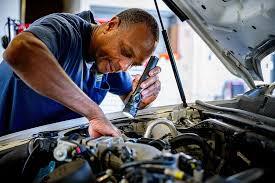
Under WIOA, individuals participating in job training, skill development, apprenticeship programs, or employment search activities may qualify for transportation subsidies. This is one of the most overlooked free government car assistance programs, especially for adults transitioning careers.
Transportation benefits under WIOA may include:
- Gas reimbursement for daily travel to training sites
- Car repair assistance for active participants
- Bus or transit passes
- Uber/Lyft rides for interviews and job fairs
- Vehicle-related safety equipment
- Towing and emergency roadside support
Every local Workforce Development Office has its own rules, but many will cover vehicle repairs when transportation is a barrier to completing a training program. Some regions even offer up to $3,500 per participant for transportation-related expenses.
WIOA Priority Groups Include:
- Low-income adults
- Dislocated workers
- Youth aged 16–24 not in school
- Individuals transitioning from homelessness
- People recently laid off
3. Community Action Agencies (CAAs): A National Network of Transportation Support
Ready to apply for SSI benefits?
Thousands of people miss benefits they qualify for. Check now and see your estimated monthly amount.
Check My Benefits in 2 Minutes →Community Action Agencies exist in every U.S. state, and nearly every county, providing emergency support for low-income households. Their services include food support, utility assistance, housing help, and transportation aid.
Most CAAs offer at least one of the following free government car assistance programs:
- Emergency car repair grants
- Gas vouchers for essential travel
- Free bus or metro passes
- Rideshare support for job seekers
- Temporary transportation for disabled individuals
- Car repair training programs (community partnerships)
Because CAAs are funded directly by federal and state grants, they can provide assistance faster than many state departments. Many households get same-week repairs approved, especially when the situation impacts employment or safety.
Applications are handled in person or online through local agency websites.

4. State Emergency Transportation Assistance Programs
Almost every state operates emergency assistance programs that provide temporary financial relief for essential needs, including transportation. These programs often supplement TANF or general relief programs and are designed to prevent job loss or medical hardship.
Common emergency transportation benefits include:
- Emergency car repair grants up to $1,000–$2,500
- Hotel vouchers when vehicles break down out of town
- Gas relief cards for employment travel
- Public transit reimbursement
- Temporary child transportation support
- Assistance with paying car insurance (in select counties)
Some state programs also cover car repairs when a mechanical issue threatens a person’s ability to remain housed or employed.
Examples of State-Level Programs:
- California Emergency Assistance Program (EAP)
- Michigan State Emergency Relief (SER)
- Florida Emergency Financial Assistance Program
- Ohio PRC Transportation Aid
- Colorado Crisis Assistance Program
While names differ across states, eligibility typically requires income verification and proof of an urgent transportation need.

5. Free Donated Car Programs (Deep Dive)
Receiving a donated car can be life-changing for a low-income family. Multiple charities, nonprofits, and community organizations, many of which partner with government agencies, distribute free used vehicles to eligible individuals.
Who Qualifies for a Donated Car?
- Low-income families with no access to transportation
- Individuals recently employed or enrolled in job training
- Domestic violence survivors rebuilding independence
- Veterans and military families
- People with disabilities who require personal transportation
- Single parents without reliable transit options
- College students facing transportation insecurity
Donated vehicles are typically refurbished, inspected, and cleared before being transferred to the new owner.
Major Donated Car Organizations:
1. 1-800-Charity Cars
One of the largest and most reputable car donation programs in the U.S. They work with government agencies to match donated vehicles with families in verified need.
2. Vehicles for Change
Provides repaired, low-cost, or donated vehicles to families. Also offers automotive training programs to individuals entering trade careers.
3. Cars4Heroes
Provides free vehicles primarily to veterans, active-duty military, and first responders.
4. Good News Garage
A New England–based nonprofit that partners with state agencies to provide subsidized vehicles to low-income workers.
5. Local Church & Community Programs
Many churches and nonprofits run small-scale car donation initiatives, particularly in rural areas.
External dofollow link (for EEAT):
U.S. Department of Transportation – Support & Safety Resources
You need a phone or internet
You need a laptop for school or work
You need health coverage
6. Ride-Sharing & Job Access Programs (Uber, Lyft, Vanpools)
Many families do not need a car permanently, they simply need reliable transportation for a few critical weeks. Because of this, several states have created ride-sharing partnerships with Uber and Lyft to transport job seekers to:
- Interviews
- Job training sessions
- Certifications
- Work shifts during the first 30–60 days of employment
These programs are life-changing for individuals living in “transit deserts,” where no public transportation is available.
Common Eligibility Requirements:
- Active employment search
- Participation in workforce programs
- Proof of income
- Residency in supported counties or cities
Some states allow up to 40 free rides per month for those transitioning to stable employment.
7. Gas Card Assistance Programs for Low-Income Families
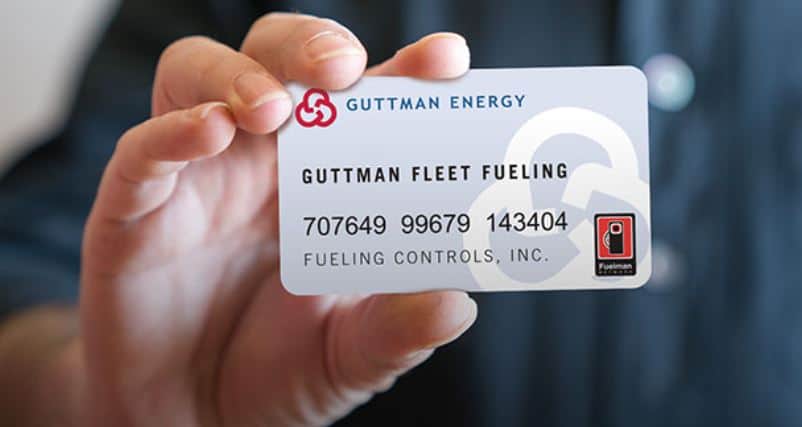
Rising fuel costs have created significant financial strain for low-income households across the United States. Even if a family has a working vehicle, they may still struggle to afford fuel for work, school, medical visits, or childcare. This is why gas card assistance is one of the most impactful forms of free government car assistance programs.
Types of Gas Assistance You Can Receive
- Prepaid gas cards (Visa, MasterCard, or fuel-brand specific)
- Fuel vouchers for work and training-related travel
- Emergency gas stipends for families facing immediate hardship
- Monthly gas reimbursements through workforce agencies
- Gas assistance for medical transportation
These programs can save families hundreds of dollars each month, especially when commuting long distances for work or healthcare.
Where to Apply for Free Gas Cards
Several agencies offer fuel assistance, depending on your state and county:
- TANF offices (largest provider of gas vouchers)
- Community Action Agencies (CAAs)
- Salvation Army (emergency gas support)
- Catholic Charities
- Workforce Development programs
- Local churches and nonprofits
Gas cards are usually approved for job-related travel, childcare needs, or other essential purposes. Some households receive monthly support if they live far from urban centers or work night shifts where public transportation is not an option.
Internal Resource: Families receiving gas card assistance often also qualify for utility and phone aid. Learn more here:
Free Government Phone & Internet Programs.
8. Car Repair Assistance: Full Breakdown of Eligible Repairs & How to Apply
Car repair costs are one of the leading causes of financial emergencies for American households. A single major repair, such as a transmission failure, can cost $2,000 to $5,000. For low-income families, this is simply not affordable.
Fortunately, many free government car assistance programs provide full or partial funding for essential repairs.
Common Repairs That Assistance Programs Will Cover
- Engine repairs and replacements
- Transmission repair or rebuilding
- Brake pads, rotors, calipers, and hydraulic systems
- New tires or tire repair
- Alternators, starters, and batteries
- Serpentine and timing belts
- Cooling system repairs (radiators, fans, hoses)
- Suspension repairs
- AC and heating system repairs
- Electrical system problems
- Exhaust system repairs
- Wheel alignment and balancing
If the repair is necessary to maintain employment, get to school, or attend medical appointments, you are far more likely to be approved.
Where to Apply for Free Car Repairs
- TANF Transportation Assistance (most flexible repair funding)
- Community Action Agencies (local emergency grants)
- Workforce Innovation Programs (job-related repair help)
- State Emergency Relief Programs (SER or EAP)
- Nonprofit car repair programs (varies by city)
- Church-sponsored repair funds (rare but powerful)
Required Documents for Car Repair Funding
Most repair assistance agencies will ask for:
- Proof of income
- Vehicle registration or title
- Driver’s license or ID
- Repair estimate from a certified mechanic
- Employment verification or interview letter
- Explanation of financial hardship
Your approval odds are highest when you demonstrate that losing your car will prevent you from working or meeting essential needs.
How Long Does Approval Take?
- Emergency repairs (job or safety risk): 24–72 hours
- Standard repairs: 5–14 days
- State-level programs: 2–4 weeks, depending on funding
Some CAAs even have direct contracts with local auto shops, allowing for same-day repairs.
9. Medical Transportation Programs (Medicaid, VA, Disability)
Transportation barriers cause millions of Americans to miss essential medical appointments each year. This is especially true for seniors, disabled individuals, and families without reliable vehicles.
Thankfully, several government programs provide transportation support specifically for healthcare access.
Medicaid Non-Emergency Medical Transportation (NEMT)
NEMT is one of the largest federally funded transportation programs in the country. Eligible individuals can receive:
- Free rides to doctor visits
- Transportation to dialysis, chemotherapy, and specialty care
- Pharmacy trip support
- Ambulatory or wheelchair transportation
- Reimbursement for gas (if using a personal vehicle)
All Medicaid plans must cover medically necessary transportation. Some offer unlimited monthly trips.
Who Qualifies?
- Medicaid recipients
- Pregnant women covered by Medicaid
- Children with chronic conditions
- Adults with disabilities
- Seniors with mobility challenges
How to schedule a ride: Call your Medicaid transportation line, usually located on the back of your insurance card.
Veterans Transportation Assistance
The U.S. Department of Veterans Affairs offers free or low-cost transportation to VA-approved appointments through:
- Veteran Transportation Service (VTS)
- DAV Volunteer Transportation Network
- Shuttle services between VA campuses
Veterans with 30%+ disability ratings may qualify for additional fuel reimbursement benefits.
Disability Transportation Programs
Individuals receiving SSI or SSDI benefits may also qualify for state-funded mobility programs that include:
- Subsidized paratransit rides
- Wheelchair van services
- Escort assistance for medical visits
- Reduced fare transportation passes
Internal Resource: Households applying for medical transportation often qualify for additional healthcare support. Learn more here:
Free Government Healthcare Programs.
10. Car Insurance Assistance Programs
While rare, some states offer programs to help low-income drivers afford mandatory auto insurance. Without insurance, families cannot legally drive, and lapses in coverage often lead to suspended licenses or impounded vehicles.
States That Offer Reduced-Cost Auto Insurance
- California Low-Cost Auto Insurance Program (CLCA)
- New Jersey Special Automobile Insurance Policy (SAIP)
- Hawaii Premium Assistance Options
- State-sponsored nonprofit partnerships
These programs reduce monthly premiums dramatically, sometimes under $40 per month, making insurance more accessible for low-income families.
Who Qualifies?
- Low-income households (based on state guidelines)
- Individuals with a clean driving record
- Owners of safe, low-value vehicles
- Residents of participating states
Even in states without formal programs, local agencies may assist with insurance payments when lack of coverage threatens employment.
11. Temporary Car Replacement Programs
Some workforce agencies and nonprofits provide short-term vehicle loans to families whose cars are being repaired. These temporary replacement programs allow individuals to continue working without interruption.
Vehicles may be loaned for:
- 5–30 days during repair periods
- Job interviews or training programs
- Medical emergencies
- Temporary relocation situations
Though limited in availability, these programs are essential for individuals living in rural areas where transportation alternatives are scarce.
12. State-by-State Free Government Car Assistance Programs
While federal programs provide broad transportation support, individual U.S. states operate their own free government car assistance programs to help low-income residents maintain reliable vehicles. These programs vary widely, but almost all states offer some form of repair funding, emergency transportation relief, or job access transportation assistance.
Below is an overview of the types of transportation aid commonly available by state. Although specific program names differ, these categories apply across most states.
Common Types of State Vehicle Assistance Programs
- Emergency car repair grants through State Emergency Relief funds
- Work-related transportation vouchers for job seekers and employees
- Subsidized auto insurance programs for low-income drivers
- County transit assistance including bus passes and rural shuttle programs
- Fuel assistance for employment, medical, and childcare travel
- Vehicle loan programs for families transitioning out of homelessness
- Programs supporting victims of domestic violence with emergency transportation
Examples of Strong State-Level Programs
California
California offers some of the most complete transportation support in the country, including:
- Low-Cost Auto Insurance Program (CLCA)
- Welfare-to-Work transportation grants
- Vehicle repair assistance through CalWORKs
- Free or reduced-cost transit passes
Michigan
Michigan’s State Emergency Relief (SER) program provides:
- Car repair grants
- Fuel assistance for essential activities
- Temporary car replacement programs
- Transportation stipends for job seekers
Texas
Many counties in Texas offer local transportation assistance through Community Action Agencies and nonprofit partners. These include:
- Emergency fuel vouchers
- Car repair aid for working adults
- Donated vehicles for families in crisis
Florida
Florida’s Emergency Financial Assistance Services (EFAS) program can help with:
- Car repairs required for employment
- Short-term transportation support
- Rideshare assistance for job access
Regardless of where you live, your county’s Human Services or Community Action Agency website is the best place to locate active transportation programs.
13. Nonprofit & Faith-Based Transportation Assistance Programs
Nonprofit organizations bridge many of the gaps that government programs cannot fully cover. Many nonprofits specialize in transportation, providing free cars, repair assistance, or emergency travel support to families in need.
Most Notable Nonprofit Car Assistance Programs
1. 1-800-Charity Cars
This nationwide nonprofit provides donated vehicles to families facing financial hardship. Their programs prioritize:
- Domestic violence survivors
- Veterans
- Low-income families
- People transitioning from homelessness
- Individuals recovering from natural disasters
2. Vehicles for Change
Operating in multiple states, this organization refurbishes donated cars and offers them at low or zero cost to qualified families.
They also operate an auto repair training program that helps low-income individuals start careers in the automotive field.
3. Cars4Heroes
Provides free vehicles primarily to:
- Veterans
- Active military personnel
- First responders
- Their families
4. Modest Needs Foundation
Offers small emergency grants that can be used for car repairs, insurance payments, or transportation needs affecting employment.
5. Local Churches and Community Ministries
While not widely advertised, many churches operate small-scale car repair funds or transportation ministries. These organizations can sometimes assist within hours, making them a valuable resource for urgent needs.
Why Nonprofits Are Essential
Nonprofits fill critical gaps where government funding cannot reach. Many families are above the federal poverty level but still cannot afford major car repairs. Nonprofits can assist people who fall into this “missing middle,” providing flexible support without the complex application processes found in government agencies.
14. Transportation Assistance for Seniors, Disabled Individuals & Veterans
Transportation challenges increase significantly with age, disability, or limited mobility. For these groups, vehicle support programs are often essential to maintaining independence and accessing medical care.
Programs for Seniors
Thousands of seniors rely on transportation support programs to attend medical appointments, pick up prescriptions, or travel to community centers.
Common assistance options include:
- Senior shuttle services
- Discounted or free bus passes
- Door-to-door paratransit services
- Medical appointment transportation through Medicaid or Medicare Advantage
- Local nonprofit senior ride programs
Programs for Disabled Individuals (SSI & SSDI Beneficiaries)
People receiving disability benefits may qualify for:
- Free or low-cost paratransit
- Specialized transportation vans
- Vehicle modification grants (e.g., wheelchair lifts)
- Car repair assistance when transportation is medically necessary
- Emergency fuel reimbursement
In many cases, disability caseworkers can directly refer clients to transportation funding sources, speeding up approval.
Programs for Veterans
U.S. veterans have access to one of the largest transportation networks in the country, including:
- Veterans Transportation Service (VTS)
- DAV Volunteer Transportation Network
- County veteran service vans
- Fuel reimbursement for medical visits
- Free donated cars through veteran-focused nonprofits
Veterans with service-connected disabilities may receive priority for transportation grants or adapted vehicles.
15. Long-Term Strategies to Reduce Car Costs for Low-Income Families
While financial assistance programs provide short-term relief, long-term strategies can help families maintain reliable transportation while minimizing future expenses.
1. Regular Preventative Maintenance
Simple maintenance tasks can extend the life of your vehicle significantly and prevent costly breakdowns. Essential preventative maintenance includes:
- Oil changes every 3,000–5,000 miles
- Checking fluid levels
- Replacing air filters
- Rotating tires every 6,000 miles
- Brake inspections
- Battery check-ups
2. Use Local “Mechanic Schools” for Cheaper Repairs
Automotive training schools often offer deeply discounted repairs performed by students under supervision. This can reduce repair costs by 50–70%, making vehicle maintenance far more affordable.
3. Adopt a Fuel-Efficient Driving Style
Simple changes in driving behavior can reduce fuel consumption by up to 20%:
- Avoid aggressive acceleration
- Keep tires properly inflated
- Use cruise control on highways
- Reduce vehicle idling time
4. Join Local Carpool or Vanpool Programs
Many cities operate rideshare or vanpool networks that help families reduce gas costs and vehicle wear-and-tear.
5. Seek Nonprofit Repair Workshops or Donation Events
Some cities host free repair clinics where volunteers fix basic car issues for free, including brake pads, oil changes, lights, and diagnostic checks.
Combining these long-term strategies with available free government car assistance programs ensures low-income families can maintain transportation security for years to come.
16. How to Apply for Free Government Car Assistance Programs (Complete Step-by-Step Guide)
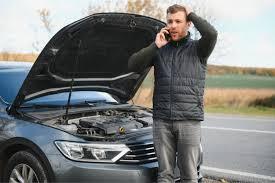
Applying for free government car assistance programs can feel overwhelming, especially when every agency requires different forms, proof of income, and eligibility documents. This step-by-step guide simplifies the process and ensures you do not miss out on programs that could dramatically improve your mobility and financial stability.
Step 1: Identify the Type of Assistance You Need
Start by determining which category fits your immediate need:
- My car is broken → I need repair assistance
- I don’t have a car → I need a donated or low-cost car
- I can’t afford gas → I need fuel assistance
- I need rides to medical appointments → I need Medicaid NEMT
- I’m starting a new job → I need workforce transportation support
- I am a senior or disabled → I need specialized transportation
- I’m a veteran → I need VA transportation programs
Choosing the correct category first prevents delays and increases your approval odds.
Step 2: Locate Programs in Your State and County
Most car assistance programs operate at the county level through:
- Community Action Agencies
- TANF offices
- Workforce development centers
- Local nonprofits
- County Health & Human Services
Use your county name + “transportation assistance” to locate nearby programs.
Step 3: Gather Required Documents
Before applying, collect all required documents to avoid delays. Most applicants are denied because their documentation is incomplete.
Essential Documents Include:
- Government-issued photo ID
- Social Security numbers for household members
- Proof of income (pay stubs, benefits letters)
- Vehicle title or registration (if seeking repairs)
- Car insurance documentation
- Mechanic repair estimate (signed & dated)
- Employment verification or job training enrollment
- Medical appointment verification (for NEMT)
- Proof of residency (utility bill, lease, mortgage)
- A hardship letter explaining your situation
Pro Tip: A clearly written hardship letter increases approval chances significantly. It should briefly explain:
- Why you need assistance
- How transportation affects employment or health
- How support will help you return to stability
Step 4: Submit Your Application
Depending on the program, you may apply:
- Online through state benefits portals
- In-person at Community Action Agencies
- By phone for emergency support
- Through caseworkers or social workers
- Through nonprofit organization websites
Always request a copy of your application or a confirmation number.
Step 5: Follow Up (Very Important)
Many applicants fail to follow up, resulting in denied or expired applications. Contact the agency every 3–7 business days to check the status.
Pro Tip: Applications marked “urgent” or “work-related” are processed faster.
17. Required Documents Checklist (Printable Format)
Below is a clean checklist you can use or provide to applicants. Agencies appreciate organized applicants, and having a full document packet increases approval chances dramatically.
- Photo ID (driver’s license or state ID)
- Social Security cards/numbers for all household members
- Proof of income (pay stubs, TANF award, SSI/SSDI letter)
- Recent bank statements (optional but helpful)
- Vehicle title or registration
- Car insurance documentation
- Mechanic repair estimate (detailed, itemized)
- Employment verification or job offer letter
- Medical appointment logs (for NEMT)
- Proof of residency (lease, utility bill, mortgage)
- Hardship letter explaining need for assistance
18. How to Increase Your Approval Odds
Competition for transportation assistance funds can be high depending on your county and the time of year. To maximize your chances, follow these proven strategies:
1. Apply Early in the Month
Many programs operate with monthly funding pools. Submitting applications in the first week guarantees faster processing.
2. Provide a Complete Application
Most delays happen because applicants forget repair estimates, income proof, or identification.
3. Show Clear Cause-and-Effect
Agencies prioritize applicants who can demonstrate:
- “Without car repairs, I will lose my job.”
- “I cannot attend my medical appointments without transportation.”
- “Lack of transportation is preventing my child from accessing school or care.”
4. Request a Caseworker Referral
If a caseworker or social worker submits the application, it often receives priority review.
5. Apply to Multiple Programs
Many families combine TANF benefits, nonprofit assistance, and gas card programs to cover all transportation needs.
6. Provide Written Quotes from Certified Mechanics
Most agencies require official repair estimates, handwritten notes may be rejected.
7. Keep Communication Professional & Organized
Agencies are more willing to help applicants who respond quickly, maintain respectful communication, and follow instructions.
19. Frequently Asked Questions About Free Government Car Assistance Programs
1. Does the government give out free cars?
No federal program directly gives out free cars. However, nonprofits working with government agencies donate refurbished vehicles to eligible families, veterans, and survivors of domestic violence.
2. Can I get help if my car breaks down suddenly?
Yes. Emergency car repair grants are available through TANF, CAAs, and state emergency assistance programs. Repairs may be approved within 24–72 hours in urgent cases.
3. Does Medicaid pay for transportation?
Yes. Medicaid covers Non-Emergency Medical Transportation (NEMT), including rides to doctor appointments, pharmacy visits, lab work, and specialist care.
4. Can I get free gas cards?
Yes. TANF, Salvation Army, Catholic Charities, and workforce agencies often provide gas cards for job-related or essential travel.
5. Do these programs help single mothers?
Absolutely. Single parents receive priority in many transportation assistance programs.
Related Internal Resource:
Free Government Grants for Single Mothers
6. Can I get help with car insurance?
Some states offer reduced-cost insurance for low-income drivers. Others offer insurance assistance through emergency relief funds.
7. How long does it take to get approved?
It varies:
- Emergency repairs: 24–72 hours
- Workforce transportation aid: 3–10 days
- Donated cars: 2–12 months (varies by availability)
- Gas card approval: same day to 7 days
8. What if I live in a rural area without public transit?
Rural areas often receive special transportation funding, including vanpool programs, gas stipends, and emergency repair grants.
For more car assistance resources, visit Benefits.gov to search federal and state transportation programs. The USA.gov benefits portal also lists vehicle donation and repair assistance options. You can check with the Federal Transit Administration for public transit grants available in your area.
- U.S. Department of Transportation – Support & Safety Resourcestransportation.gov
- Benefits.govbenefits.gov
- USA.gov benefits portalusa.gov
- Federal Transit Administrationtransit.dot.gov
This article is for informational purposes only. Visit official government websites for the most current eligibility requirements and application procedures.
You want a free phone
You need free internet
Free tools and official programs that can help you take the next step.
Apply for a free government phone with talk, text, and data through Lifeline.
Find low-cost internet and free computer offers available in your area.
Discover additional free government programs you may qualify for.
20. Final Thoughts: Transportation Security Is Financial Security
Transportation is a fundamental pillar of financial independence. Without a reliable vehicle, millions of Americans face job loss, missed medical care, and ongoing instability. The good news is that dozens of free government car assistance programs exist to help low-income families repair their cars, receive donated vehicles, or access essential transportation resources.
Whether you need a major repair, gas for the week, or a nonprofit-supported donated car, there are programs designed to help you regain independence and stability. Every mile counts, and these programs ensure no family is left without a path forward.
Ready to take the next step?
Use our Eligibility Tool to see which programs you qualify for:
Check Your Eligibility Now