Rules verified against VA dependency guidance. Reviewed October 2026.
Veterans rated 30 percent or higher are paid more for a spouse, children, and dependent parents, and the VA pays only for dependents it has on file, which makes this the quietest money leak in the system: veterans carry ratings for years with a marriage or a child the VA never heard about, forfeiting real monthly dollars. This page covers who counts, what they add, the one year rule that protects your back pay, and the life events that require an update in both directions.
Who Counts as a Dependent
- A spouse, including by common law where the state recognizes it.
- Children under 18, biological, adopted, and stepchildren in the household.
- Children 18 to 23 attending school, added with a school attendance form and dropped automatically when studies end.
- Children of any age permanently incapable of self support before turning 18, the helpless child category, which continues indefinitely.
- Dependent parents, where the parent’s income and support situation qualifies.
What They Add
Not sure if you qualify for benefits? Check in under 2 minutes — it's free, private, and shows estimated amounts.
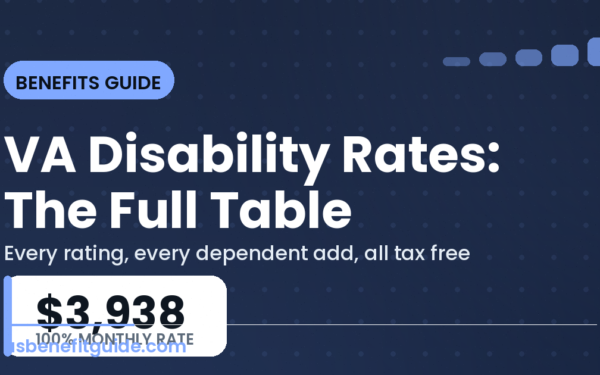
The additions scale with your rating, starting at 30 percent: verified examples from the VA’s tables put a spouse at about $65 monthly at 30 percent, $153 at 70 percent, and $220 at 100 percent, with each child adding its own amount, more for the first than for additionals, and an extra allowance when a spouse requires Aid and Attendance. The full with dependents figures at every rating are in our rates table, and the difference for a 100 percent veteran with a family runs to hundreds monthly, thousands a year, all of it tax free.
How to Add Dependents, and the One Year Rule
Dependents are added online through VA.gov or on Form 21-686c, with school attendance on its own companion form, and the fastest cases process automatically in days. The rule that decides your back pay: add a dependent within one year of the qualifying event or of the rating decision that first reached 30 percent, and the higher payment reaches back to the event or rating date; wait longer, and the increase generally runs only from when you finally told the VA. A veteran who reached 30 percent three years ago and never added a spouse has been leaving money on the table that late filing cannot fully recover, which is the entire argument for doing this today.
The Other Direction: Removals Matter Too
Our free checker shows every program you're eligible for with estimated monthly amounts. No signup needed.
See What I Qualify For →🔒 Free · Private · Takes 2 minutesDivorce, a child turning 18 and leaving school, a death: each ends that dependent’s addition, and the VA keeps paying until told, then collects the overpayment later, sometimes years of it at once. Reporting removals promptly is self protection, because a VA debt letter arriving long after a divorce is a preventable misery, and repayment plans and waivers exist for the ones that arrive anyway.
Where This Connects
Free and trusted resources to help you take the next step.
Answer a few questions to discover which federal and state benefit programs you may qualify for.
Find Your BenefitsCall 211 or search online to connect with social services, food pantries, and emergency assistance in your area.
Find Local HelpOur free tool screens you for SNAP, Medicaid, housing assistance, disability benefits, and dozens more programs.
Free Eligibility CheckThese are recommended resources based on the topic of this article. We only suggest free, official, or widely trusted services.
Dependents also matter beyond the monthly addition: at 100 percent or TDIU with permanent and total status, spouses and children can qualify for CHAMPVA health coverage and Chapter 35 education benefits, and a veteran’s death opens the survivor benefits in our DIC guide. The monthly amounts land on the regular VA payment schedule, and rating increases that cross 30 percent, through the appeals process or new claims, make previously flat rated veterans newly eligible for all of it.
Frequently Asked Questions
At what rating does the VA pay for dependents?
30 percent combined and above. At 10 and 20 percent the rates are flat, and crossing 30 for the first time is the moment to file the dependency claim alongside.
How much does the VA pay per child?
It varies by rating: at 70 percent, each additional child under 18 adds $76 monthly under current rates, with the first child worth more as part of the base with dependents rate. The rates table shows your exact configuration.
How long does adding a dependent take?
Simple online additions often process in days automatically; complex ones, like helpless child claims or dependent parents, take longer and may need evidence. Either way the effective date rules protect pay for timely filings.
I forgot to add my spouse years ago. Can I get back pay?
Filed within a year of the marriage or the qualifying rating decision, yes, back to that date. Beyond the year, the increase generally starts from your filing, which is why the answer to when is always now.
What happens if I do not report a divorce?
The VA eventually learns, stops the addition, and bills the overpayment back to the divorce date. Reporting promptly converts a future debt into a small present adjustment.
The Bottom Line
Ready to apply for benefits?
Thousands of people miss benefits they qualify for. Check now and see your estimated monthly amount.
Check My Benefits in 2 Minutes →Thirty percent opens the door, the VA pays only for the family it knows about, and the one year rule turns speed into back pay. Audit your award letter against your actual household today, in both directions, and let the rates table show what the corrected number should be.